Underground Blast Tears Hole In Manhattan
One Dead In East Side Explosion
POSTED: 6:14 pm EDT July 18,
2007
UPDATED: 12:34 pm EDT July 19,
2007
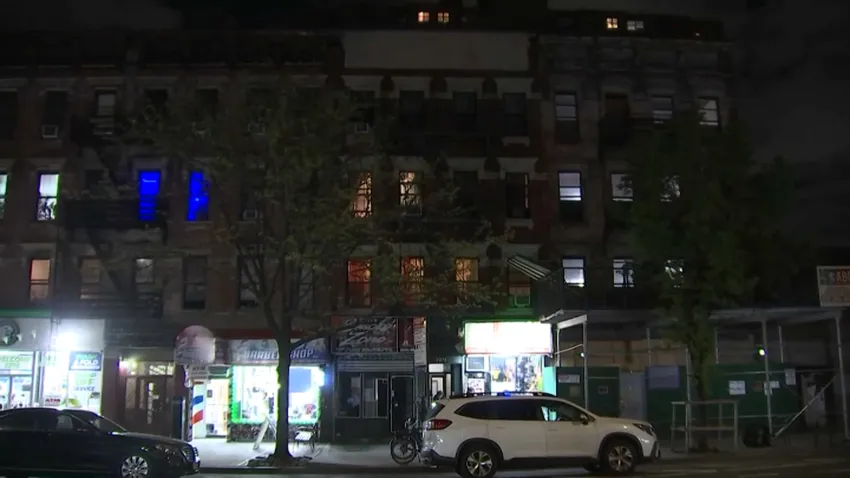
NEW YORK -- One person was killed and as many as 30 others were injured -- four seriously -- after a steam pipe exploded on the East Side of Manhattan during the evening rush hour.The blast caused brief panic about another terror attack, with a scene eerily reminiscent of Sept. 11: people frantically rushing away from a Manhattan explosion amid falling debris and blaring sirens. But officials quickly ruled out terrorism and said the blast was caused by a ruptured 83-year-old steam pipe.Video: Steam Pipe Explosion Sparks Street Closures, Travel Delays
The explosion ripped a gaping hole in the pavement at 41st Street and Lexington Avenue. Steam and dirt sprayed from the ground for hours, creating powerful roar and shooting vapor as high as the top of the nearby Chrysler building. "I looked out the window and I saw these huge chunks that I thought were hail," said Debbie Tontodonato, 40, a nearby business manager. "We panicked, I think everyone thought the worst, thank God it wasn't. It was like a cattle drive going down the stairs, with everyone pushing. I almost fell down the stairs."The situation was deemed under control at around 9:10 p.m., officials said. The cause of the rupture remained under investigation. Mayor Michael Bloomberg said the pipe, installed in 1924, might have exploded under extreme pressure caused by an infiltration of cold rainwater. It might have also been damaged by a water main break, he said. "There is no reason to believe whatsoever that this is anything other than a failure of our infrastructure," Bloomberg said at a news conference at the scene.Video: Steam Explosion Victims Treated At Area Hospitals Tests showed an underground steam pipe explosion did not leave asbestos in the air, but the toxin was found in some solid debris and dust that settled after the deadly blast, the city Office of Emergency Management said Thursday. Tests were continuing, but the agency said in a statement that long-term health problems were "unlikely." Mayor Michael Bloomberg had said the possibility of asbestos contamination was the main health worry after the blast Wednesday evening, which killed a woman, injured about 30 other people -- two of them critically -- and left a gaping crater less than a block from Grand Central Terminal in midtown Manhattan.The situation is causing problems for commuters on Thursday morning. Click here for the latest in transit updates from the MTA. Authorities couldn't immediately account for how the most seriously wounded victims were injured. Police said the woman who was killed, identified as Lois Baumerich, 57, of Hawthorne, N.J., died of cardiac arrest. Many people were struck by falling chunks of asphalt or rock that had been blasted out of the ground. Mud covered some bystanders. A woman who was bleeding profusely was being helped by police while a man lay on a stretcher in the street. Heiko H. Thieme, an investment banker in midtown, said the explosion was like a volcano. "Everybody was a bit confused, everybody obviously thought of 9-11."Officials took eight air samples Wednesday night, and none came back positive for asbestos, the emergency-management agency said. But asbestos was found in six of 10 samples of debris and settled dust. The agency was conducting more tests to determine the extent of the contamination, but the statement said any exposures to asbestos would have been brief and the health risks limited. Some pipes carrying steam through the city are wrapped in asbestos, a chemical commonly used until the mid-1970s in insulation and fireproofing material. Its tiny fibers can cause cancer and other serious diseases when inhaled over many years, according to the city Department of Health and Mental Hygiene. "Developing an asbestos-related illness after being exposed for a short time -- even at high levels -- is very unlikely," the agency said.When the steam cleared at nearly 8 p.m., a crater many feet wide was visible in the street. A red truck lay at the bottom of the hole. Two city buses and a small school bus sat abandoned in the middle of Lexington Avenue, covered with grit. Con Edison head Kevin Burke said the site of the explosion had been inspected earlier Wednesday as part of a routine response to heavy rains that flooded parts of the city. Crews searched for steam rising from manhole covers or cracks in the street -- an indication that the pipes may be in jeopardy. He said they found nothing at that time. The steam systems are inspected about every six weeks. Burke said crews were working overnight to repair the damage. The pipe was carrying 150 pounds of pressure and the steam in the pipe was 200 degrees when it exploded. Sixteen people were taken to Bellevue Hospital, including the person who died, said spokesman Stephen Bohlen. Two seriously injured patients were being treated in the hospital's trauma unit. The remainder suffered minor injuries, he said. Two people were in critical condition at New York Weill-Cornell Medical Center, said hospital spokeswoman Emily Berlanstein. Among the injured were three firefighters and Officer Robert Mirfield, who helped evacuate 75 people trapped in a nearby office building by cutting open a gate. City officials told residents to stay out of the area, and if anyone was exposed to the falling debris to wash with soap and water and place their clothing in a plastic bag. Area residents should close windows and use air conditioning. "Normal precautions are what you should take. There's no reason to panic," Bloomberg said. The Buildings Department determined late Wednesday that nearby buildings were structurally sound but suffered some water damage and broken windows. Several feet of street near the 25-foot crater was in danger of collapse. The scene was reminiscent of a similar blast nearly 20 years ago. A steam pipe explosion near Gramercy Park in 1989 killed three people spewed loads of asbestos into the air -- a fact that Con Ed later admitted it concealed for days while residents were exposed. Ernesto Berdejo, who works the cash register at Pax, a restaurant in the area, said he saw people running and crying down the street Thursday. He and co-workers stayed in the street for about 20 minutes, then went back into the restaurant. "We didn't know what happened -- something in the ground, really loud. We thought it was terrorism," he said. Millions of pounds of 400 degree steam are pumped beneath New York City streets every hour, heating and cooling thousands of buildings, including the Empire State Building. The steam pipes are sometimes prone to rupture, however. The 1989 explosion sent mud and debris several stories into the air. That explosion was caused by a condition known as "water hammer," when water condenses in a closed section of pipe. The sudden mix of hot steam and cool water can cause pressure to skyrocket, bursting the pipe. Former Playboy Playmate Now In Mugshots Mother Shocked As Python Bites Toddler Some Of Fisher-Price's Recalled Toys Recent Notable Deaths Famous Women: How They've Aged Gays, Lesbians Choose Sexiest Hotties Richest Teen Celebrities Hundreds Strip Down For N.Y. Underwear Run Celebrity Mug Shots Bizarre Laws In The U.S.
Previous Stories:
- July 19, 2007: Frozen Zone Created, Subways Back To Normal
- July 19, 2007: Explosion: Asbestos Found In Debris, Not In Air
- July 18, 2007: NYC Steam System Has Been Prone To Disaster
IMAGES IN THE NEWS
© 2007 by WNBC.com The Associated Press contributed to this report. All rights reserved. This material may not be published, broadcast, rewritten or redistributed.