

Women are less likely to die when treated by female doctors, study suggests
Hospitalized women are less likely to die or be readmitted to the hospital if they are treated by female doctors, a study published Monday in the Annals of Internal Medicine found.


-

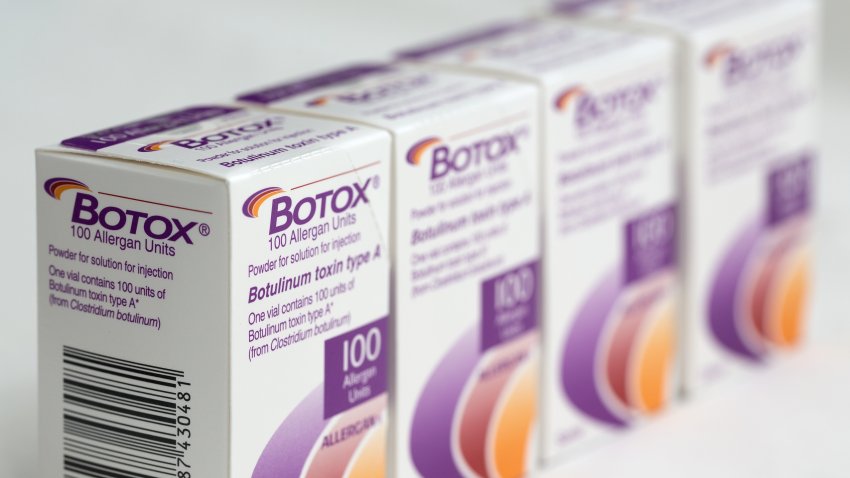
Botched Botox injections sicken at least three people in NYC: What to know about symptoms
Botched Botox injections are linked to an outbreak of sickness in New York City and across the country. Here’s what to know.
-

UN approves updated cholera vaccine that could help fight surge in cases
The World Health Organization has approved a new version of a widely used cholera vaccine that could help address a surge in cases that has depleted the global vaccine stockpile.
-

Dad, 45, thought he had a pinched nerve in his neck. A rare cancer was to blame
As an employee of the U.S. Postal Service, Len Barchanowicz led an active life and had few health problems. His neck pain was due to an orange-sized tumor.
-

Olympic champion Suni Lee back in form after debilitating kidney ailment
Suni Lee said at the height of dealing with kidney disease in 2023, she questioned whether a return to top form was even possible. Now she finds herself in remission and gearing up for Paris.